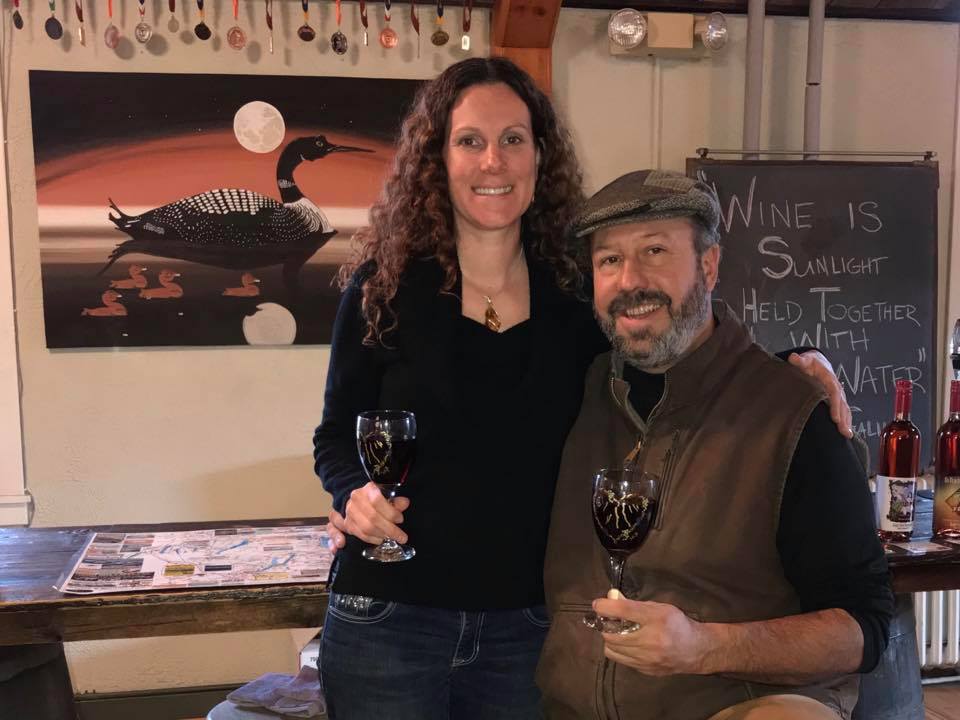
Will & Lisa
Owners, O-Neh-Da Vineyard
Privately owned and operated, Will and Lisa steward O-Neh-Da Vineyard in faithful continuity with Bishop McQuaid's founding mission — producing pure grape sacramental wine from Hemlock Lake.
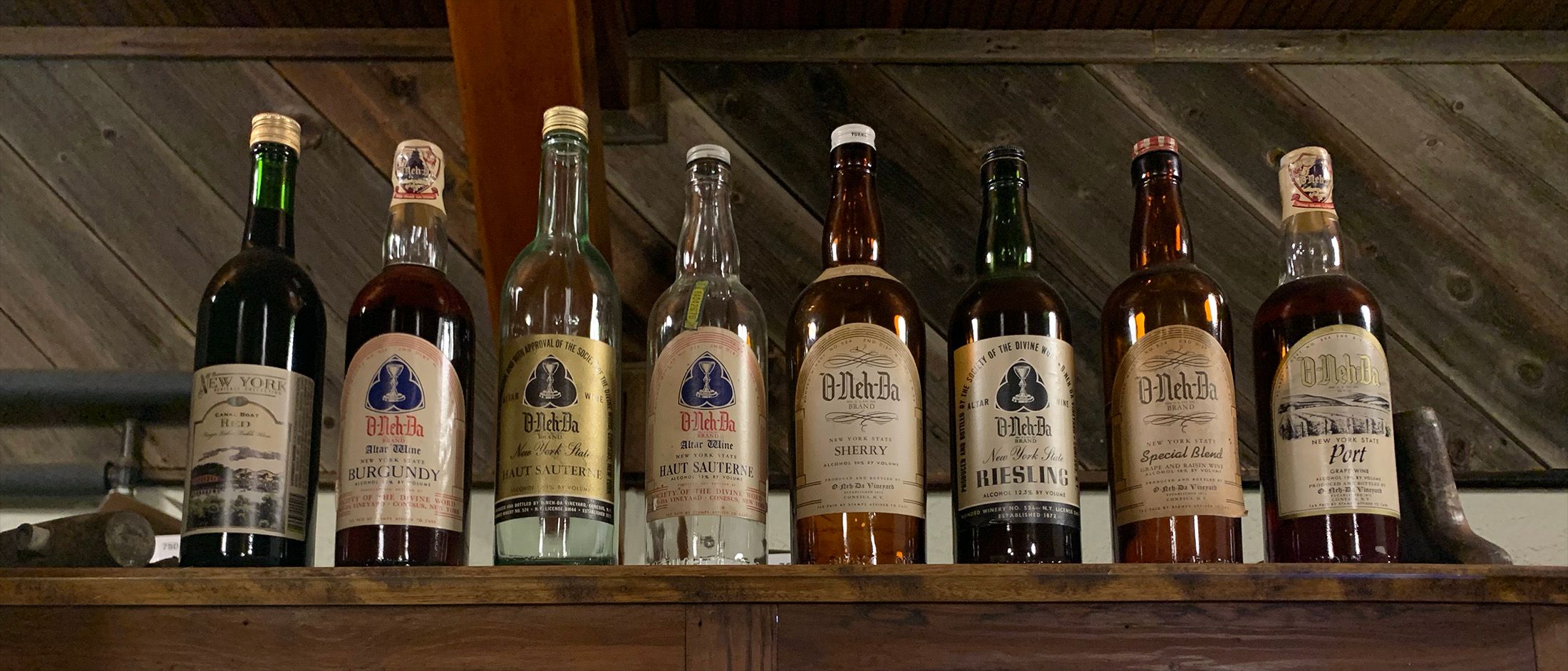
Established 1872
The oldest authentic producer of premium sacramental wine in the New World.
Since 1872
“Wine that is Wine!”
Seneca Heritage
O-Neh-Da Vineyard and the surrounding Hemlock Hills have a long and sacred history dating back centuries, to when the native people hunted, fished, and farmed here.
The Seneca Nation, the "Keepers of the Western Door" of the Finger Lakes, inspired the naming of the Vineyard. Bishop McQuaid chose the name O-Neh-Da to respect the native given name for Hemlock Lake.
All 11 of the Finger Lakes have Native American names, save Hemlock Lake which was named by European settlers to celebrate the majestic hemlock trees found gracing the deep and shaded gorges around Hemlock Lake.
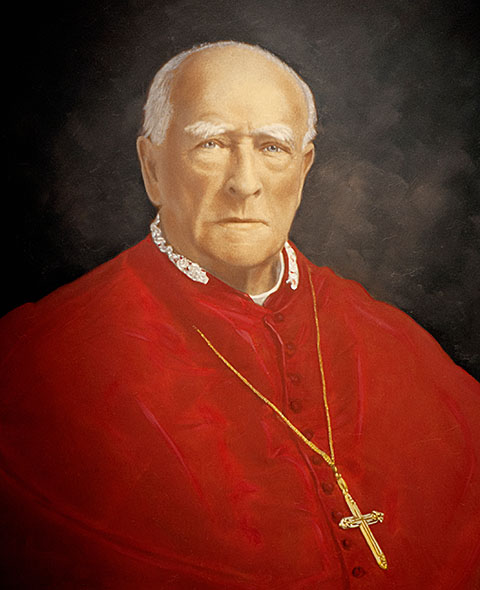
Bishop McQuaid's Vision
Bishop McQuaid's vision for O-Neh-Da was to plant his own vineyards to ensure a premium source of sacramental wine for his churches. As he directed the planting of the grapes, McQuaid made Hemlock Lake his second home.
He often travelled by steamboat down the Lake to his cottage to inspect the vines and oversee operations. The Vineyard prospered and McQuaid's vision was fulfilled.
When the City of Rochester acquired the lakeshore and nearby hills for a reservoir and water supply, McQuaid was allowed to maintain the Vineyard and his cottage, while all others were torn down. Hemlock Lake and the surrounding hills and gorges returned to their natural state, creating a pristine watershed and nature preserve that endures to this day.
Society of the Divine Word
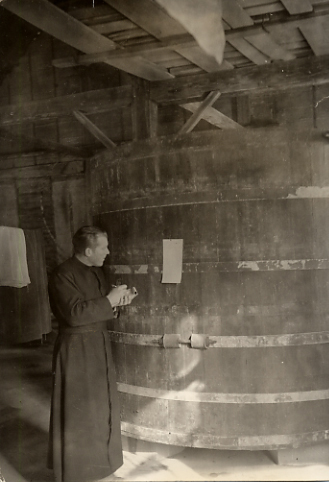
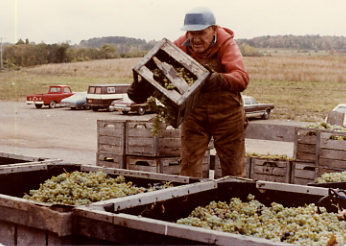
Upon the Bishop's death, the Diocese of Rochester briefly ran the Vineyard before attracting the Society of the Divine Word, a Dutch Missionary order. Finding a place of bucolic tranquility and beauty, the SVD as they were called, commenced the construction of a seminary to train novitiates for mission work abroad.
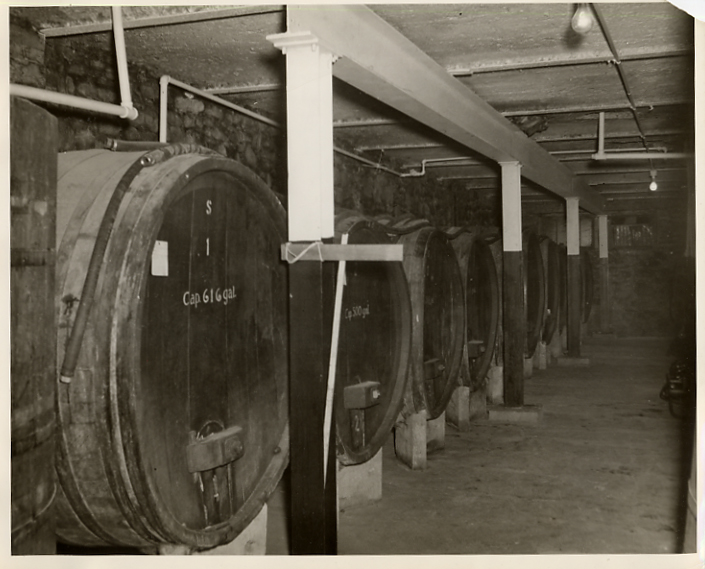
With the onset of Prohibition, it was decided to cease winery operations, although the cultivation of some vineyards continued. Sacramental wine producers were permitted to continue making wine during Prohibition, but it was not until 1934, after Repeal, that the winery reopened and was revitalized with an influx of new seminarians.
A German born winemaker was retained and began the work of replanting the vineyards and restoring the wine cellar. O-Neh-Da thrived and became the trusted and approved brand it is today. The Society of the Divine Word maintained control of the Vineyard until the late 1960's.
“O-Neh-Da is one of the last sacramental wineries left in the world who produce their own wine from local grapes.”
Modern Ownership
Today, O-Neh-Da Vineyard is privately owned and operates sustainably to remain faithful to McQuaid's founding mission. Grapes grown on Hemlock Lake and throughout the Finger Lakes are used in the making of premium authentic sacramental wine for churches in New York State and throughout the world.
Faithful to McQuaid's vision, O-Neh-Da Vineyard remains totally dedicated to producing a valid and licit sacramental wine, absolutely pure and 100% "of the grape."
Through the 1970's and 1980's the Society leased the operations to a California wine-making family of great reputation, who continued production of sacramental wine in full accord with Canon Law before passing stewardship to the current private owners.
Unwavering Quality
With a winemaking team that has been together for over 25 years, premium quality is assured. Each wine is individually handcrafted from the best grapes, grown throughout the renowned Finger Lakes Wine Region.
Unlike competitors who bulk process their wine, adding non-grape sugars and other adulterants, O-Neh-Da produces only authentic, pure grape sacramental wine.
Because of this unwavering commitment to premium quality, O-Neh-Da Vineyard has maintained continuous Approbation from the Bishop of Rochester since our founding in 1872.
Winemaking Philosophy
O-Neh-Da Vineyard and Eagle Crest wines are made in the same patient fashion as O-Neh-Da Authentic Sacramental wines. Great wine is made in the Vineyard, where for Finger Lakes grapes — life is a struggle.
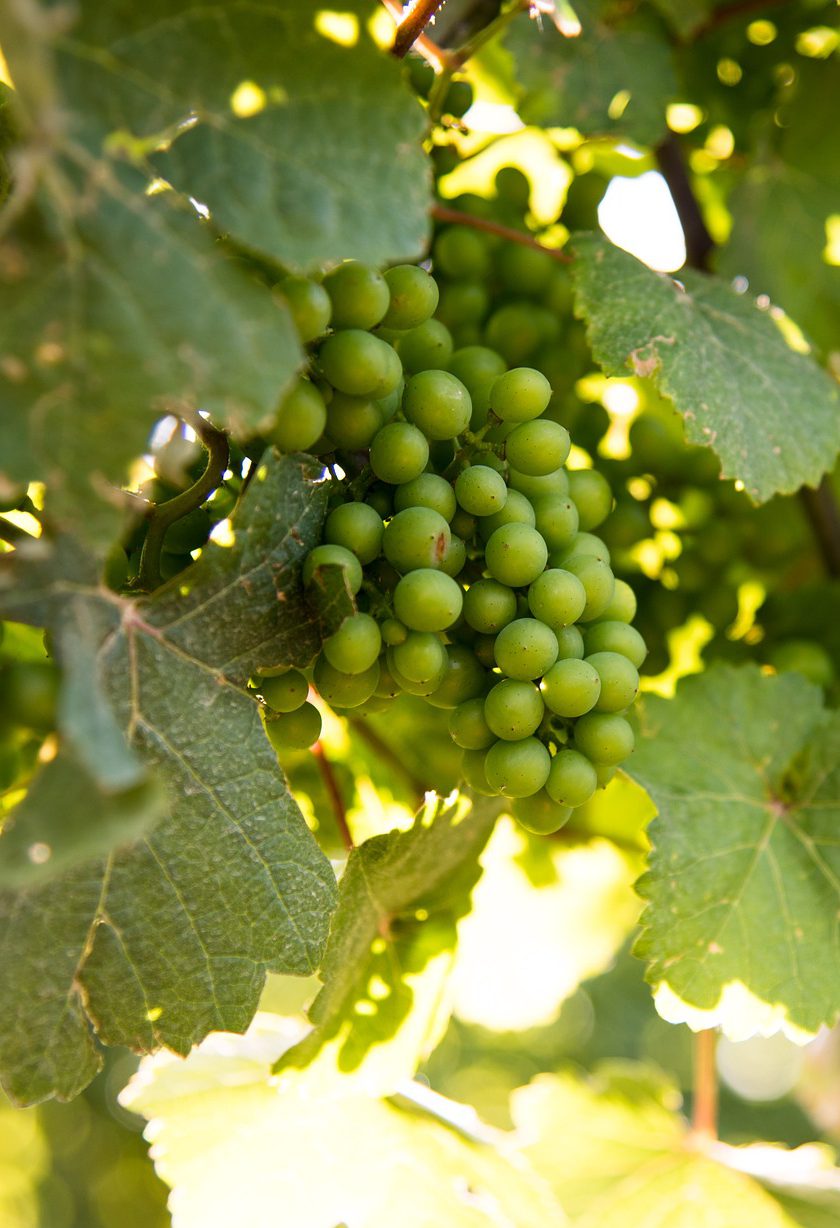
Cool-climate grape growing must begin with the soil. O-Neh-Da Vineyard growers strive to turn dirt into soil, and soil into healthy vine. Vines want to grow and spread and reach beyond their best interest — and so the gentle hand of the viticulturalist must prune each vine to produce a limited leaf canopy and a select number of grape clusters.
“Less is more guides the vineyard stewardship.”
Biointensive growing practices seek to reduce artificial inputs and increase the wholistic health of the vineyard.
Grapes are harvested by hand in small batches at the point of perfect balance between ripeness and total acidity. Overripe grapes produce greater amounts of sugar to ferment into higher alcohol wines, but that is not the goal at O-Neh-Da.
Balance is the goal and music is the muse. As grapes are gently crushed, conscious music is played in the background to gently coax the juice into spontaneous fermentation with the wild yeast from the vineyard and the atmospheric yeast of the century's old winery.
O-Neh-Da & Eagle Crest Wines are natural, pure grape Finger Lakes wines made in the old world methods which predate modern winemaking. To experience a bottle of naturally fermented Finger Lakes wine is to appreciate the difference and great potential of the Finger Lakes.
Heritage
A high-level look at how we guide you from hello to hooray.
Bishop Bernard McQuaid established O-Neh-Da Vineyard on Hemlock Lake to produce authentic sacramental wine for local parishes in the Diocese of Rochester. He chose the name O-Neh-Da to honor the Seneca word for Hemlock Lake.
O-Neh-Da Vineyard and the surrounding Hemlock Hills have a long and sacred history. The Seneca Nation, the "Keepers of the Western Door" of the Finger Lakes, inspired the naming of the Vineyard.
When the City of Rochester acquired the lakeshore and nearby hills for a reservoir and water supply, McQuaid was allowed to maintain the Vineyard and his cottage, while all others were torn down. Hemlock Lake returned to its natural state as a pristine watershed.
Upon the Bishop's death, the Diocese of Rochester attracted the Society of the Divine Word, a Dutch Missionary order. Finding bucolic tranquility, the SVD commenced construction of a seminary to train novitiates for mission work abroad.
With the onset of Prohibition, winery operations ceased, though cultivation of some vineyards continued. Sacramental wine producers were permitted to continue making wine during Prohibition, but it was not until 1934, after Repeal, that the winery reopened and was revitalized.
A German born winemaker was retained and began the work of replanting the vineyards and restoring the wine cellar. O-Neh-Da thrived and became the trusted and approved brand it is today.
Decreasing vocations and increasing costs led the Society to lease operations to a California wine-making family of great reputation, who continued production of sacramental wine in full accord with Canon Law.
O-Neh-Da Vineyard is privately owned and operates sustainably to remain faithful to McQuaid's founding mission. With a winemaking team together for over 25 years, O-Neh-Da maintains continuous Approbation from the Bishop of Rochester since 1872.
Ownership
Meet the people crafting our hospitality vision.
Owners, O-Neh-Da Vineyard
Privately owned and operated, Will and Lisa steward O-Neh-Da Vineyard in faithful continuity with Bishop McQuaid's founding mission — producing pure grape sacramental wine from Hemlock Lake.
The Property
Moments from recent stays, celebrations, and experiences.
Online orders available 24/7 with curbside pickup. Or plan a visit to Hemlock Lake.